
and thinking yes ! wind !
so I have the basics of a tale about the wind in my head, and I'm planning on doing one about the sun, rain and thunder. Explaining their origins but through characters.
Making the ordinary magical & wacky
I want each story to revolve around a central character and to each carry a moral thread.
Did some research on folk tales about the weather from different cultures:
EGYPT
Ancient Egyptians, boating on the Nile, believed that the Sun sailed across the sky in a shallow boat. Sun Boat of Ra
The Sun Boat was a great ship, called the 'Barque of Ages' or "The Boat of a Million Years", in which Ra and his companion gods sailed through the sky giving light and heat to the world and then through the dangerous journey of the night, sailing through the underworld (Duat). The companion gods of Ra helped defend the solar god against the evil serpent Apep, an act that represented the victory of right over wrong. The Sun Boat was also the barge in which the gods traveled between the worlds of earth and heaven.

KENYA
The god of thunder, Mkunga Mburu, is believed by some to travel the heavens on a huge black bull with a spear in each hand, ready to hurl them at the clouds to make the loud noises. Mkunga Mburu holds a spear in each hand. He throws them at clouds to create loud noises. Thunder is created that way.
INDIA
In ancient India, it was said that a dragon stood guard over the clouds to hoard the rain and prevent it from falling to Earth, causing dry spells. The people cheered for the storm god to lure the dragon away from the cloud, allowing rain to fall.

Vritra - personification of drought
INDIA
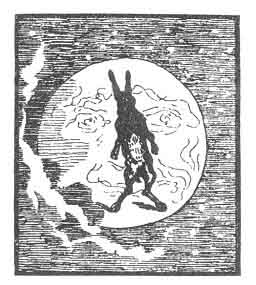
People in long-ago India saw a silhouette of a hare on the moon. According to tradition, it got there when Indra, the all-knowing god of the sky, overheard a rabbit declare that he would sacrifice himself so a beggar could eat. Declaring that such selflessness would not go unrewarded, Indra etched the outline of a rabbit, also called a "hare," on the moon.
POLYNESIA
According to Polynesian folklore, the Sun used to race across the sky each day, giving barely any light. People didn't have much time to finish their chores before darkness came. The half-god, half-man Maui became annoyed and snared the Sun in an enormous net made from braided coconut fiber. He threatened to cut off the Sun's legs if it refused to slow down. Being terrified, the Sun agreed and to this day has kept its promise to move slowly across the sky.
Apparently Moana the Disney film is about this?? (Never seen it) (Dwayne The Rock sings about it)

A. W. Reed. Maui: Legends of the Demigod of Polynesia. Wellington: A. H. & A. W. Reed, 1943.
GREECE
The folklore of ancient Greece taught that Iris, wife of the god Zephyrus, caused rainbows. Iris was a messenger between mortals and the gods. She ran back and forth, dressed in shimmering multicolored robes. The word "iridescence" comes from Iris's robes.
GREECE
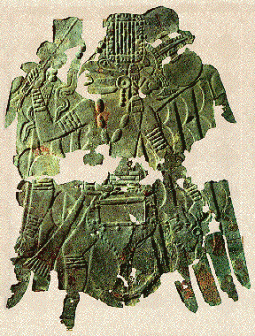
The folklore of ancient Greece taught that the god Aeolus caused the wind. Aeolus kept the wind locked in an enormous whistling cavern. When he played his harp, a gentle breeze ruffled the trees. When he blew his conch shell, great storms devastated the land and whipped up the ocean waves.

ITALY
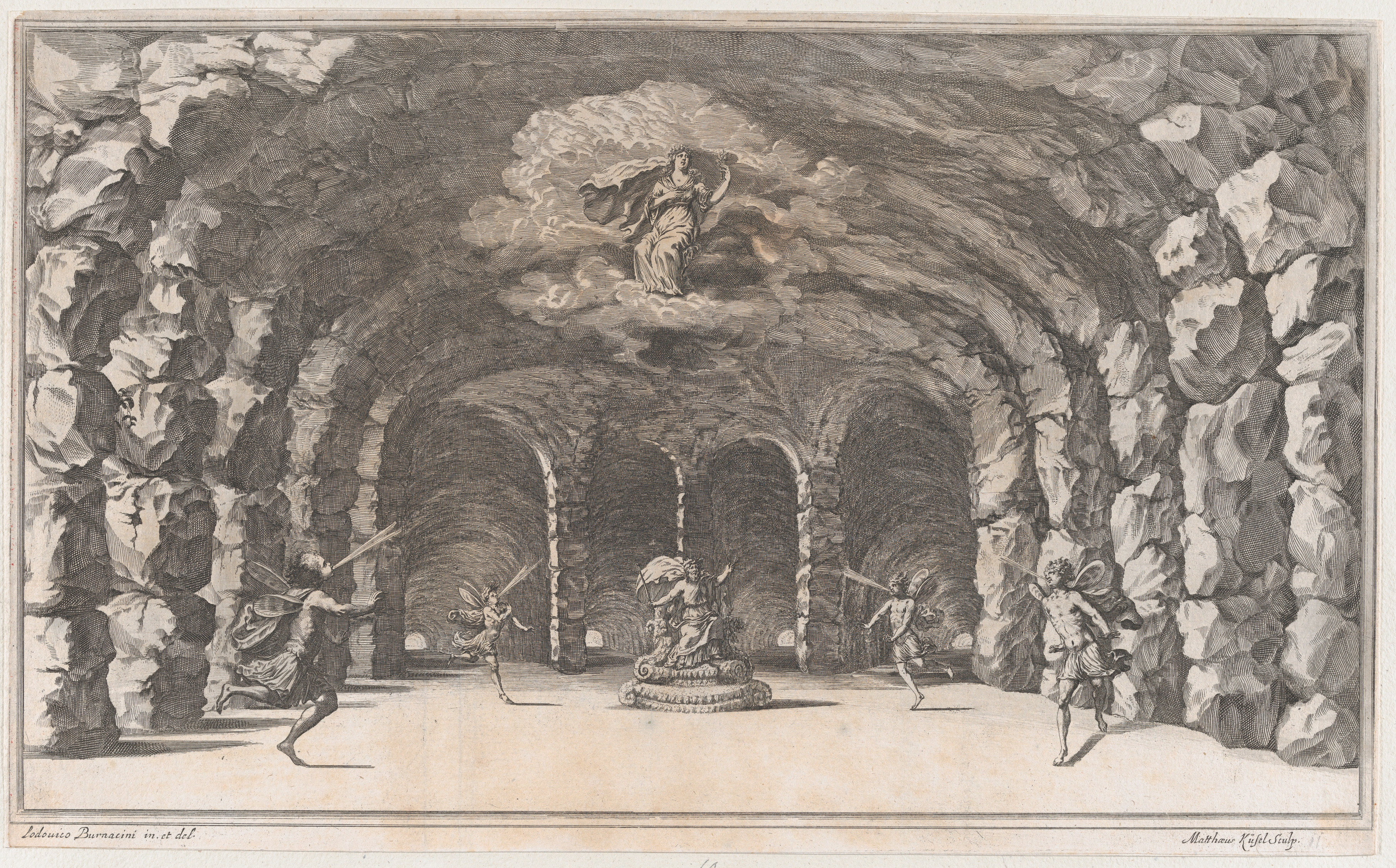
In ancient times, the Etruscan soothsayers from Northern Italy were considered divine weather watchers. They were said to have foretold disaster or good fortune from slight changes of the wind direction, claps of thunder, or bolts of lightning.
The Etruscans believed the gods spoke through natural phenomena, like lightning or deformed animals. Some of their wisest members learned how to interpret omens.
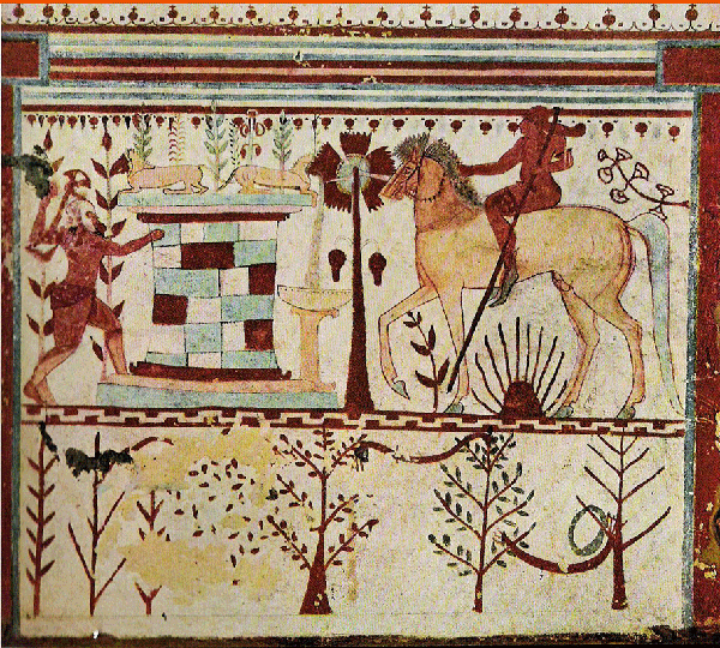
Ambush of Troilus by Achilles, Tomb of the Bulls, Tarquinia
NORWAY
Frosti, son of Kari, the fierce god of the winds, blew frost on the Earth when he was angry.
SCOTLAND
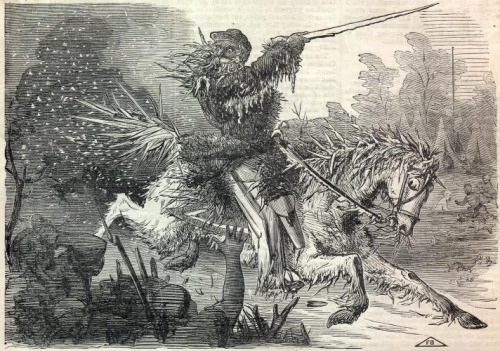
Beira/Cailleach Bheur, the personification of winter and the mother of all the gods and goddesses in Scottish mythology. Beira was a one-eyed giantess with white hair, dark blue skin, and rust-colored teeth. She built the mountains of Scotland using a magic hammer, and Loch Ness was created when Beira transformed her negligent maid Nessa into a river, which broke loose and made the loch. Ben Nevis was her "mountain throne".

SWEDEN
When children heard thunder in long-ago Sweden, they were told it is only Thor, the god of thunder, riding his chariot across the skies. Lightning is only sparks from Thor's hammer as they fly through the air.

Left:Thor with Mjolnir depicted on the Altuna stone, Uppland; Sweden. Right: A runestone with a depiction of Thor’s hammer, Södermanland, Sweden
ARIZONA, USA
Tsohanoai is the name of the Sun god for those practicing traditional Navajo ways. Every day, he crosses the sky, carrying the Sun on his back. At night, the Sun rests by hanging on a peg in Tsohanoai's house.

GEORGIA, USA
According to the Creek Indians, the beginning of the world was a time when "animals could talk" and had the power of day and night. Daytime animals used all their magic to keep the Sun in the sky. Nighttime animals used all their magic to make darkness fall. This caused trouble between the two groups. Finally, they met and discussed the problem. At first they argued. Some desired the day to last all the time; others wished it all night. After much talk, Chew-thlock-chew (Tciloktco), the ground squirrel, said:
"I see that Woot-Kew (Wotko), the Racoon, has rings on his tail divided equally, first a dark color then a light color. I think day and night ought to be divided like the rings on Woot-Kew's tail."The animals were surprised at the wisdom of Chew-thlock-chew. The adopted his plan and divided day and night like the rings on Woot-Kew's tail, succeeding each other in regular order.
No-koos-see from envy scratched the back of Chew-thlock-chew and thus caused the stripes on the back of all his descendants, the ground squirrels.
NEBRASKA, USA
Considered as one of the best skywatchers of ancient times, the ancient Pawnee tribes were especially interested in the gods of the sky. According to Skidi Pawnee Indian lore, clouds are clothing for the gods of heaven. The sky god wears a cloud garment. When he spreads his arms, the clouds, or "garments," stretch across the entire sky.

NEW MEXICO, USA
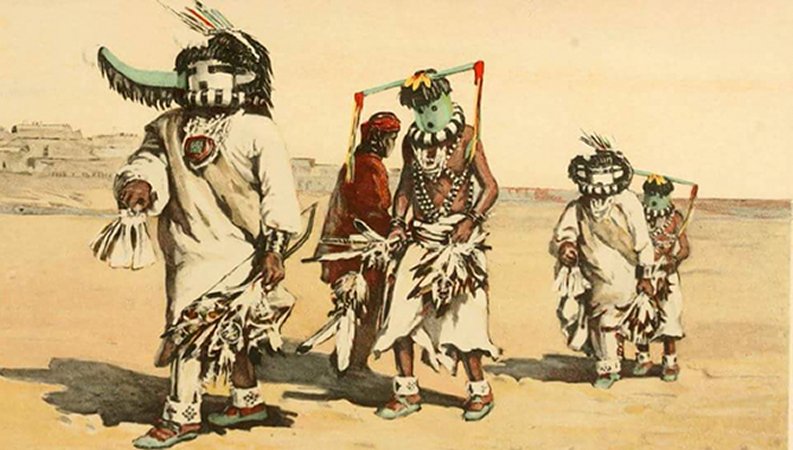
Tradition among the Zuni Indians tells of a monster called Cloud Eater. He was as tall as a mountain peak and had an enormous appetite for clouds, thus causing drought. Down through the years the Zuni Indians have hunted for this monster far and wide to destroy him and bring rain, but no one discovered where Cloud Eater lived.


No comments:
Post a Comment